The AUVSI Hall of Fame was established in 2022 to celebrate more than five decades of breakthroughs and innovations in the AUVSI community. Each year, we select two new honorees—one individual and one technology—based on nominations from AUVSI members and leaders.
Individuals
Individual Hall of Fame honorees include the best and brightest AUVSI members. These leaders have had a fundamental impact on uncrewed technology, policy, or education.
Lt. Col. Harold F. “Red” Smith
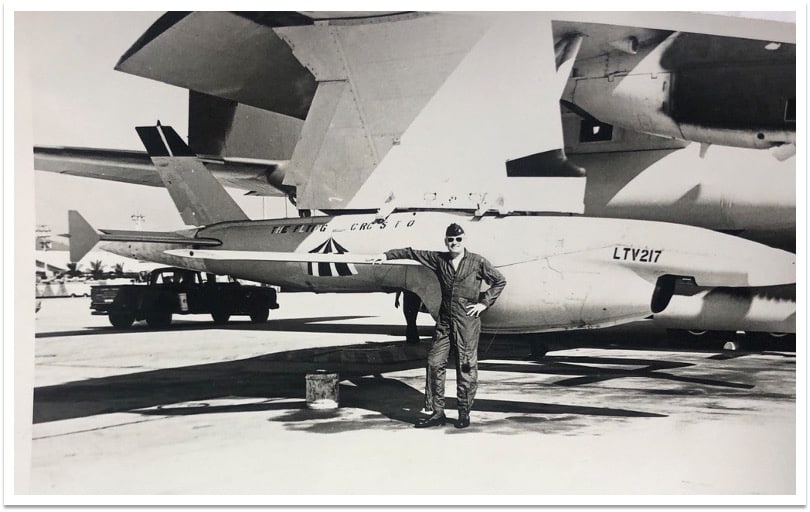
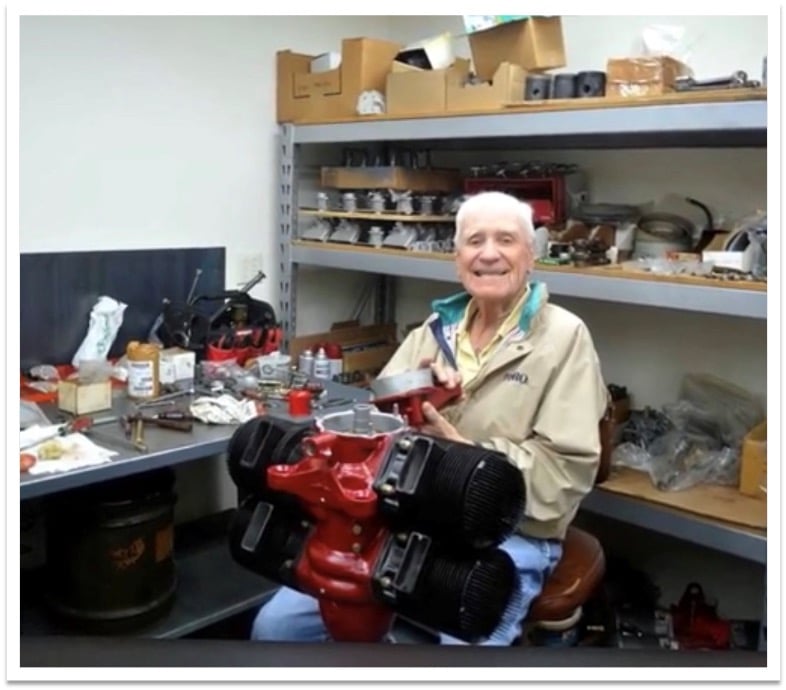
Lt. Col. Harold F. “Red” Smith, U.S. Air Force and AUVSI co-founder, spent decades in his workshop building drones for the U.S. military and fulfilling international orders. Red operated some of Reginald Denny’s earliest remote-controlled aircraft while serving in the Vietnam War, carrying that hands-on ingenuity into a career that helped shape the modern uncrewed systems industry. Red’s forthcoming book, Lightning Bug to Predator, traces that journey, from early remote-controlled aircraft to the armed UAS platforms flying today.
Col. Ward Hemenway
Col. Ward Hemenway, U.S. Air Force, was an early advocate for building a professional community around remotely piloted vehicle technology. As one of the original founders of the National Association for Remotely Piloted Vehicles in 1972, Hemenway brought together military operators, engineers, and researchers working on early drone and target drone systems, laying the groundwork for what would become AUVSI.
Brig. Gen. Robert T. Marsh
Brig. Gen. Robert T. Marsh, U.S. Air Force, commanded Air Force Systems Command during a critical period in the evolution of unmanned and reconnaissance technologies. As one of the founding figures behind the National Association for Remotely Piloted Vehicles in 1972, Marsh brought senior military leadership to the research, development, testing, and acquisition of aerospace systems, including reconnaissance, electronic warfare, and missile programs, helping set the course for U.S. military unmanned systems capabilities.
John E. Short
John E. Short represented the early industry and contractor community supporting unmanned aircraft development. As a founding participant in the 1972 establishment of the National Association for Remotely Piloted Vehicles, Short helped build the organizational structure that would evolve into AUVSI, enabling collaboration among government, industry, and academic stakeholders in unmanned systems.

Technologies
Technology Hall of Fame honorees include innovations that make autonomous technology possible. They represent major engineering and scientific breakthroughs in a variety of sectors and applications.
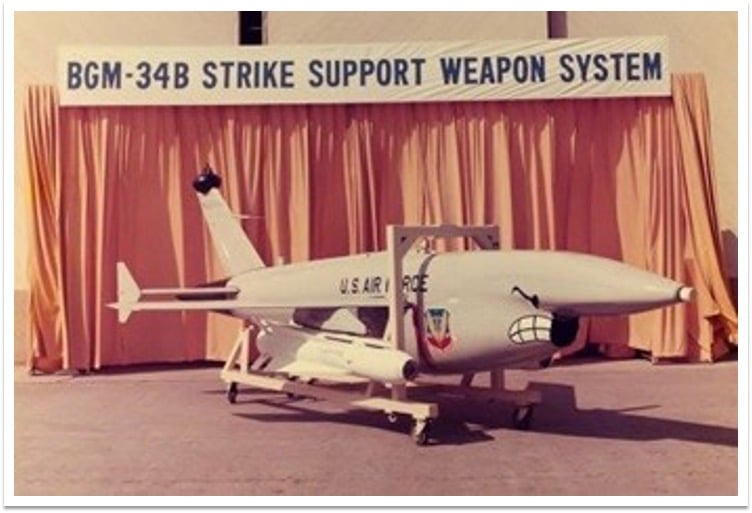
BGM-34B Attack & Multi-Mission RPV
The BGM-34B (Model 234A) is one of only eight ever built, a pioneering 1970s remotely piloted vehicle that demonstrated armed drone strike capability decades before it became mainstream. Developed and flown out of Wright-Patterson Air Force Base, the BGM-34B proved that uncrewed aircraft could execute complex, multi-mission strike operations, laying the groundwork for today’s armed UAS platforms.