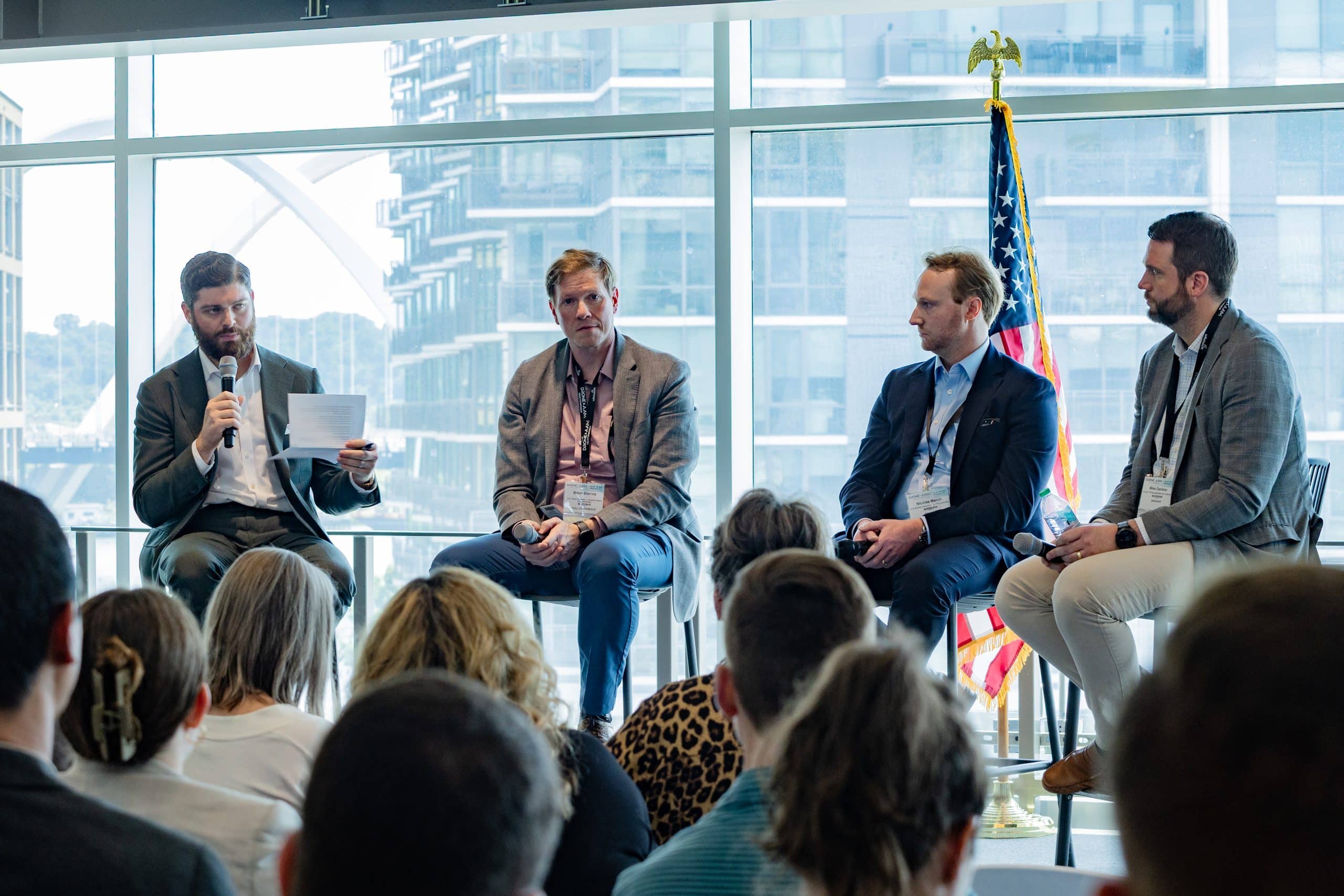
As drone and AAM technologies continue to advance, collaboration is key to unlocking their full potential. The Symposium brings together leaders from federal, state, and local governments, OEMs, technology providers, and industry stakeholders to explore the opportunities and challenges ahead.
This year’s program is built around three themes:
Collaborate – Engage with key decision-makers across agencies and sectors to influence policy and drive regulatory advancements.
Navigate – Gain insight into the evolving regulatory landscape, operational best practices, and integration strategies shaping the industry’s future.
Elevate – Turn new knowledge, connections, and opportunities into business growth, faster adoption, and long-term success.
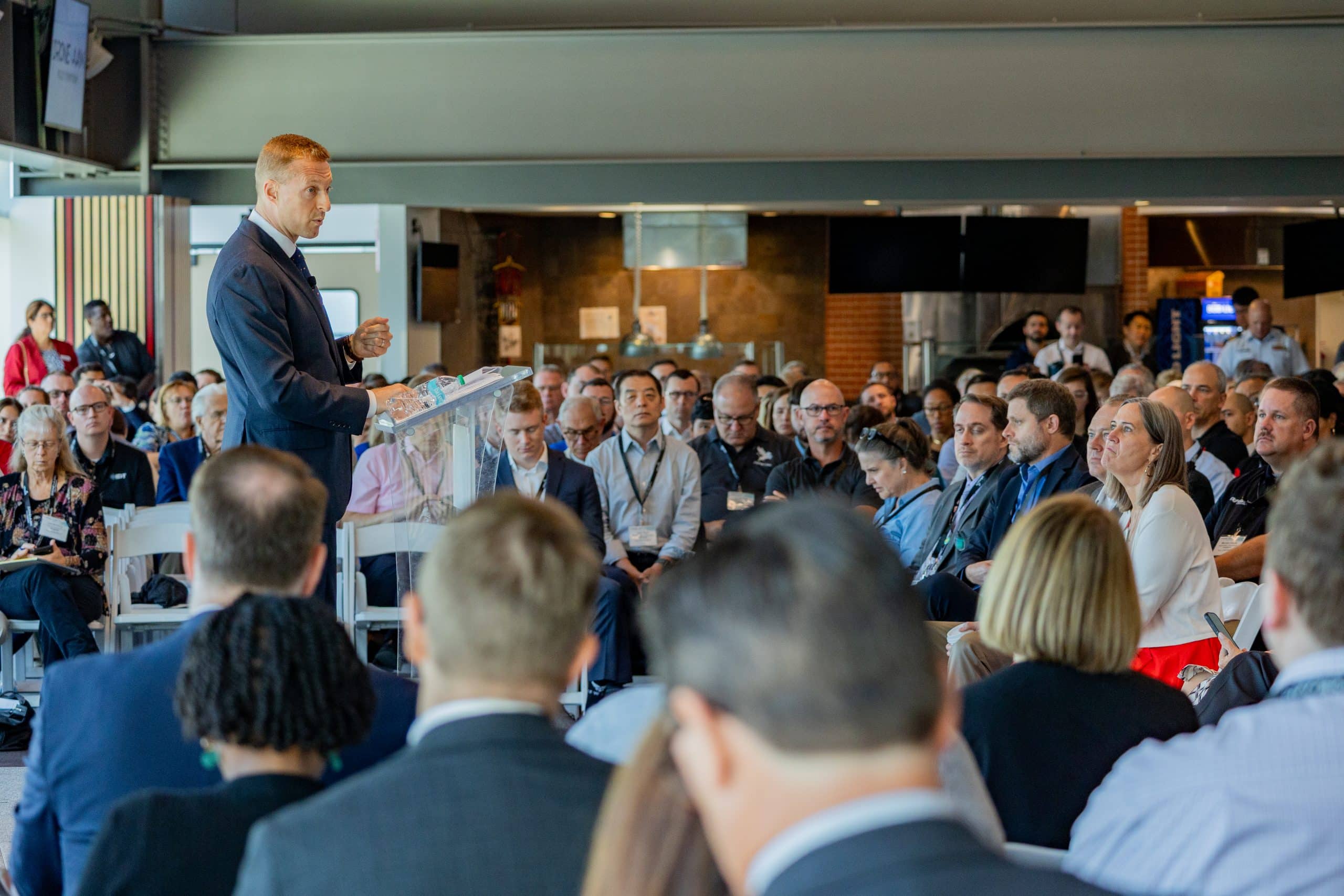
Key topics include:
- Counter-UAS / Security
- BVLOS Rulemaking
- EIPP
- Airspace Integration
- Aircraft Certification & Safety Standards
- Certification Pathways
- Infrastructure Readiness / Legacy Systems
- Environmental Policy & Sustainability
- Electric Grid Requirements
- Data Sharing & Digital Flight Rules
- Supply Chain Security (including FCC Covered List)
- Command & Control (C2) Spectrum
Don’t miss this opportunity to influence the future of drones and AAM while connecting with the stakeholders shaping the industry—all within the unique and exciting setting of Nationals Park.
2026 sessions to expect*:
Monday, November 9
Clearing the Path: Navigating Large UAS Operational Approvals
Market Forces: The Evolving Retail and Commercial Drone Landscape
Setting the Standard: Part 108 and the Future of Agricultural and BVLOS Operations
Building the Ecosystem: Vertiports, Corridors, and the Infrastructure of Advanced Air Mobility
Integration in Action: EIPP Program Progress and What’s Ahead
Cities Taking Flight: State and Local Pathways to Advanced Air Mobility
What’s Next: The Policy Road Ahead for Drones and Advanced Air Mobility
See and Be Seen: The State of Collision Avoidance and Detect-and-Avoid
Flying by the Rules: What Part 146 Means for Operators
Tuesday, November 10
From the Ground Up: State, Local, and Tribal Drone Operations
Made in America: UAS Supply Chain Security and Domestic Manufacturing
Protecting the Airspace: Counter-UAS Policy for Major Events
Modernizing the Sky: ATC Investment and the UAS/AAM Opportunity
Inside the Machine: How FAA Builds a Rule
The Government Flies Too: Federal Agencies as UAS Operators
One Sky, Different Rules: The Case for Global UAS and AAM Standards
The Workforce Question: Aviation Labor and the Future of the Industry
Selling American: Export Controls, International Markets, and UAS Competitiveness
Shaping the Rule: Industry Response to NPRM 2209
Connected Skies: Spectrum Access and Cellular Integration for UAS
Who Gets the Airspace? Drone as First Responder and Commercial Operators
*Subject to change.
2026 Steering Committee:
The 2026 program is being shaped by experts in the regulatory space around drones and AAM. Steering Committee members:
- Amanda Armistead – Senior Manager, Public Policy, Amazon Prime Air
- Benjamin Berlin – Global Head of Aviation Regulatory and Policy, Zipline International Inc.
- Mark Blanks – Head of Global Flight Operations, Standards, and Regulatory Affairs, Wing
- Rita Castonguay-Hunt – Infrastructure Policy & Regulatory Affairs, BETA Technologies
- Erin Donnette – Vice President of External Affairs, VertiPorts by Atlantic
- Katie Hill – Government Affairs, Director, Joby Aviation
- Kristen Jaarda – Director, Federal Government Affairs and Global Policy, Motorola Solutions
- Melissa McCaffrey – Head of Government Affairs, Archer
- Kristen Mineck – Principle Systems Engineer, Narrowband Safety Services, Viasat
- Scott O’Brien – Vice President, Legislative Affairs, Reliable Robotics
- Max Rosen – Director, Government Affairs, Echodyne