Taiwan, Trusted Supply Chains, and the Future of Autonomy
June 8, 2026
By Michael Robbins
President & CEO, AUVSI
I recently returned from another successful and productive trip to Taiwan, where I joined a delegation convened around the 2026 National Strategic Summit on Supply Chain Resilience, hosted by our friends at DSET, and spent a week in meetings, panels, media interviews, and industry discussions focused on one core question: how democratic partners can work together to build more trusted, resilient, and scalable autonomy ecosystems.
It was an important visit for AUVSI and, I believe, for the broader autonomy industry.
Taiwan is a key democratic partner in the Indo-Pacific, a major economic partner of the United States, and an increasingly important player in the future of drones, robotics, and advanced manufacturing. As global supply chains continue to realign and strategic competition sharpens, Taiwan’s role in trusted technology production and industrial resilience is only becoming more important.
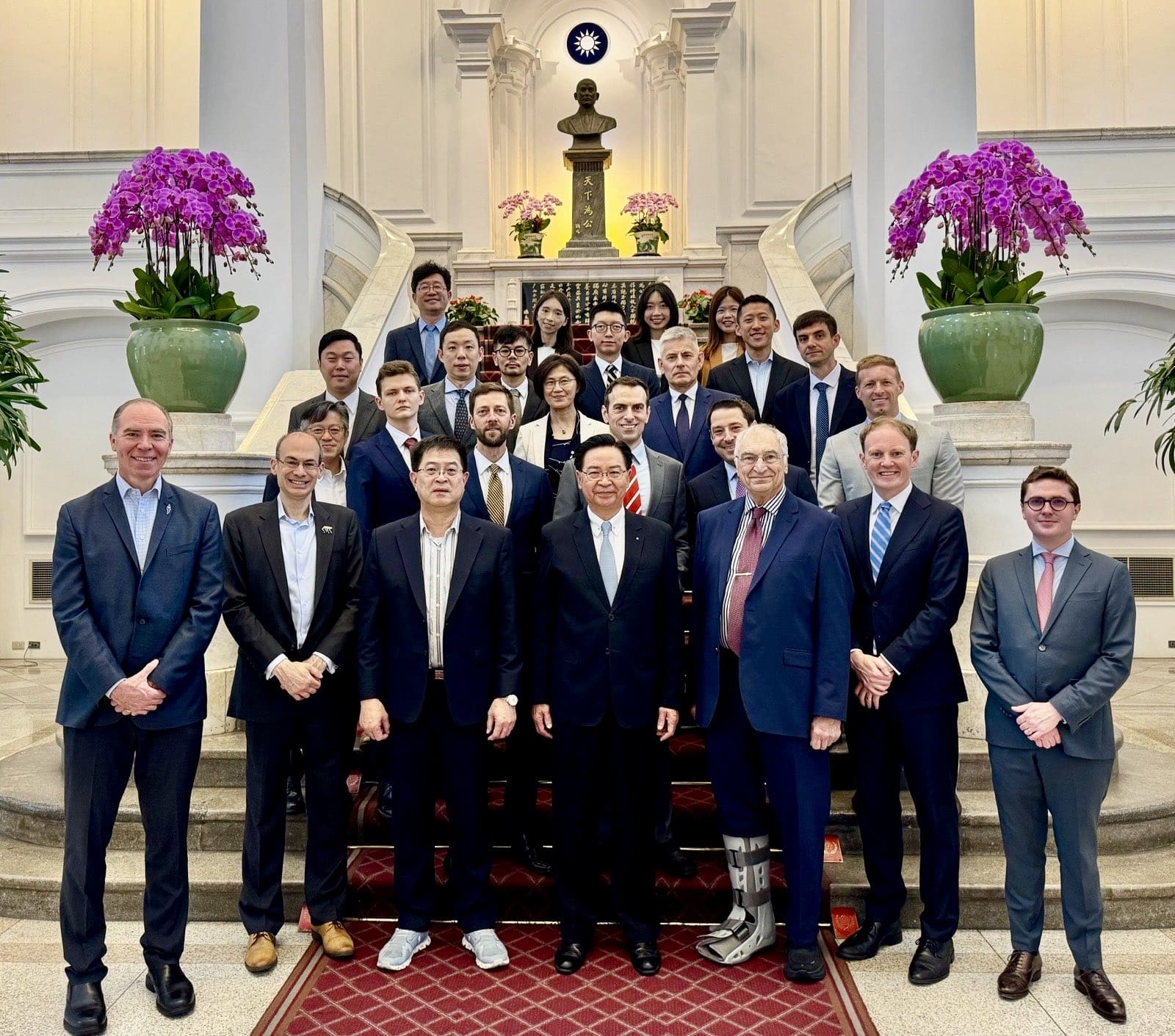
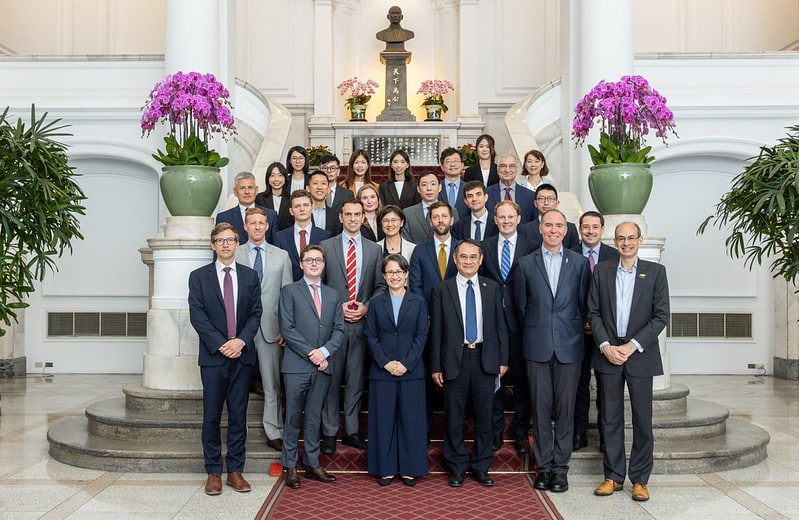
One of the highlights of the trip was participating in the DSET-led delegation surrounding the 2026 National Strategic Summit on Supply Chain Resilience. That engagement included a meeting at Taiwan’s National Security Council and a delegation meeting with Vice President Hsiao Bi-khim. The discussions reflected the seriousness with which Taiwan is approaching the future of AI, supply chain resilience, and drone manufacturing as part of a broader strategy for economic resilience, technological competitiveness, and national security.
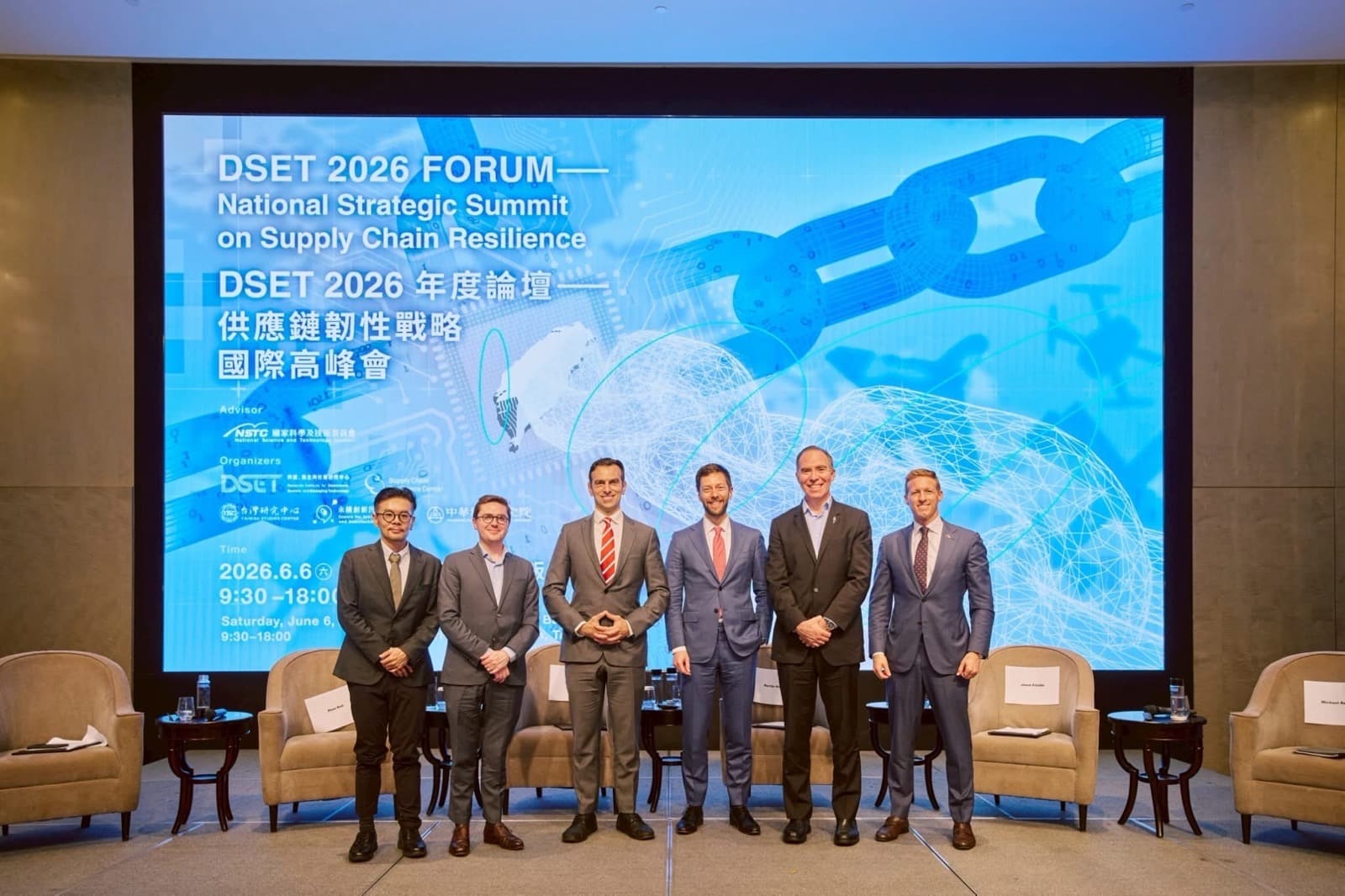
I was motivated to speak on DSET’s public forum panel on AI Supply Chain Resilience along with industry colleagues from Boston Dynamics, SCSP, and a16z. That conversation focused on the broader strategic competition around AI, robotics, and uncrewed systems and explored how international collaboration, regulatory development, and innovation policy can help build more resilient AI and autonomy ecosystems.
Taken together, those sessions reinforced a point I made repeatedly throughout the week: the future of autonomy will not be shaped by software alone. It will be shaped by trusted supply chains, manufacturing depth, industrial scale, and the ability of democratic partners to build and deploy real alternatives together.
As AUVSI has said often, in Washington, XPONENTIAL, and elsewhere, that industrial capacity is national power. In the era of autonomy, robotics, and physical AI, trusted industrial capacity matters even more. The next phase of competition will not be defined only by who develops software the fastest. It will be shaped by who can build, integrate, manufacture, and deploy trusted systems at scale across the real economy. Taiwan understands this in a way that many countries are still working to catch up with.
I was grateful for the opportunity to also meet with Taiwan’s Foreign Minister Lin Chia-lung to discuss U.S.-Taiwan cooperation in autonomy and how trusted drone and robotics frameworks can support both economic and security objectives. In another meeting with the Vice Minister of National Defense, I focused on the role Green UAS can play not only as an export-enabling tool to the U.S., but as an internal procurement framework that can help strengthen trust, cybersecurity, and supply chain assurance in Taiwan’s own drone ecosystem and encouraged national adoption.
For years, AUVSI has argued that the world cannot afford to repeat in robotics and autonomy what it allowed to happen in commercial drones: a market shaped by scale, subsidies, supply chain leverage, and strategic dependence on PRC-linked systems. Trusted alternatives do not emerge by accident. They require policy support, industrial partnerships, market demand, and real pathways to scale.
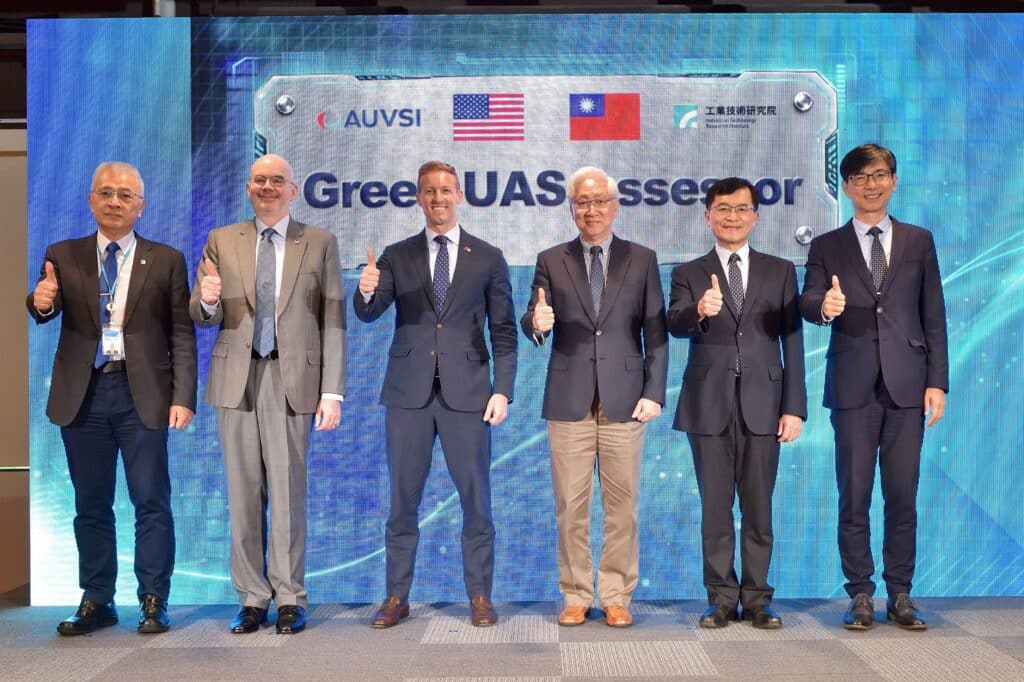
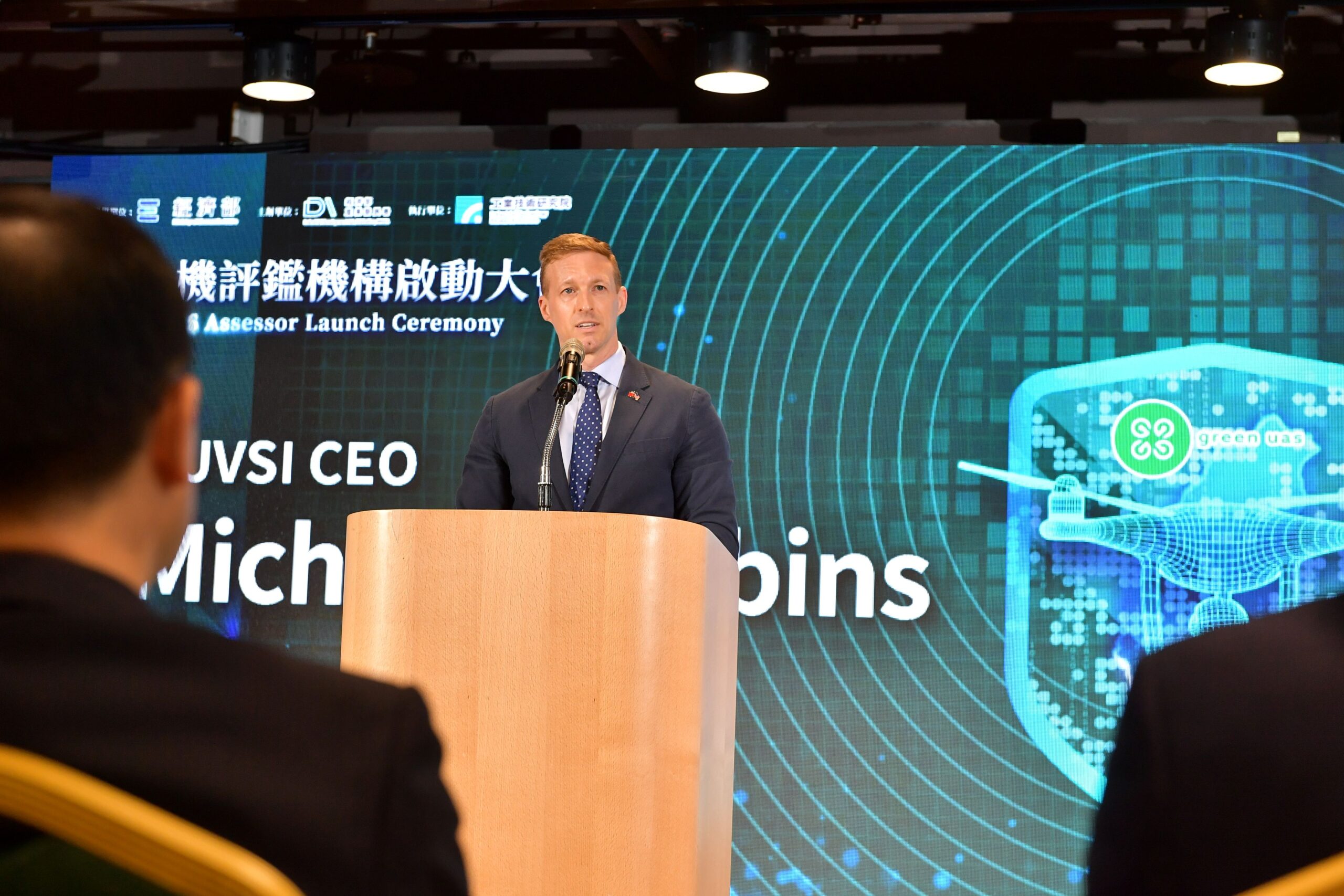
That is one reason why AUVSI’s work with ITRI is significant. During the visit, I joined ITRI for a Green UAS Taiwan launch celebration tied to a major milestone: ITRI becoming the first Green UAS assessment body outside the United States. Honored that American Institute in Taiwan (AIT) Director Greene and Vice Minister of Economic Affairs Chin-Tsang Ho joined for the event.
Our partnership creates a practical pathway for Taiwan’s drone manufacturers to access internationally recognized cybersecurity and supply chain verification, helping them compete in global markets while strengthening trusted democratic supply chains. AUVSI’s partnership with ITRI is about reducing strategic dependence on untrusted systems. And it is about extending trusted supply chain frameworks into ecosystems that have the manufacturing depth and technical sophistication to help democratic nations compete. Taiwan is clearly one of those ecosystems.
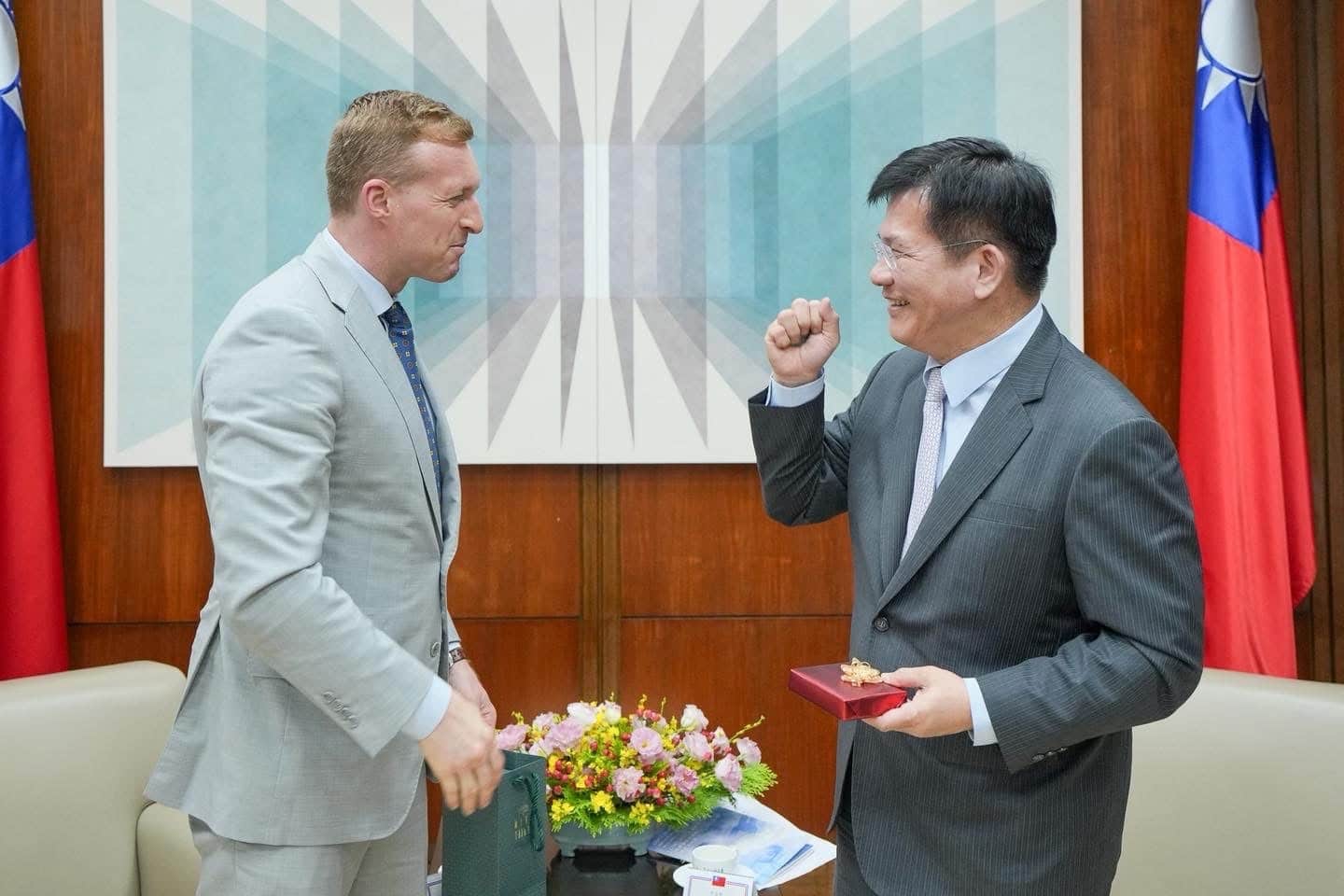
That came through strongly in the City of Taichung as well, where I had the opportunity to meet with Mayor Lu and participate in a roundtable with local government, trade associations, academia, and industry leaders. Taichung has a strong industrial base spanning precision machinery, semiconductors, aerospace manufacturing, automation, and optical sensing. It reminds me a lot of Detroit, where I grew up and where we hosted XPONENTIAL this year. Those strengths make Taichung one of the most promising regions in the world for the development and scaling of autonomous systems.
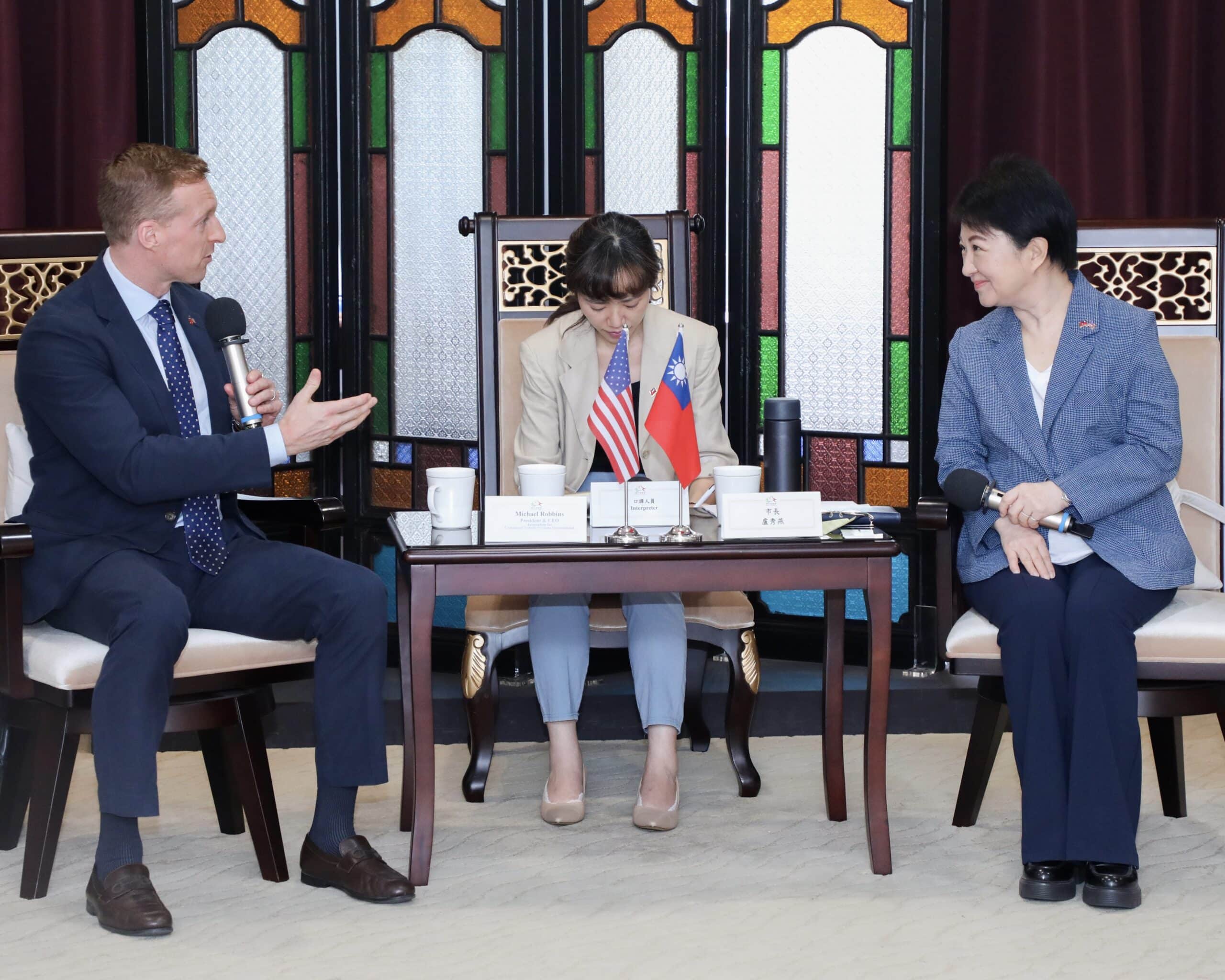
I came away impressed not only by the city’s manufacturing and innovation capacity, but by the seriousness with which local leaders are thinking about how to turn that strength into a globally competitive autonomy ecosystem.
That kind of regional industrial depth matters. Autonomy does not scale through technology alone. It scales through manufacturing ecosystems, workforce pipelines, supply chain coordination, test and validation infrastructure, and sustained public-private alignment.
That was a recurring theme throughout the week, including in more than a dozen media interviews I did with Taiwanese outlets. Across those conversations, I emphasized several core points.
First, U.S.-Taiwan cooperation in drones and autonomy should continue to deepen, because the strengths of both sides are complementary. The United States brings innovation, software, systems integration, and policy momentum. Taiwan brings extraordinary manufacturing capability, hardware depth, and scale potential.
Second, Taiwan’s own investment in domestic autonomy capacity is strategically important. Strengthening local demand, procurement pathways, and industrial support is not just good for Taiwan’s self-determination and deterrence. It also strengthens the case for deeper cooperation with the United States and other democratic partners.
Third, trusted supply chains are now central to the future of this industry. The question is no longer just who can invent. It is who can build and deploy trusted systems at scale.
I left Taiwan encouraged by the quality of the conversations, the seriousness of the leaders I met, and the real momentum behind efforts to build a more trusted drone and autonomy ecosystem.
I am deeply grateful to the many hosts and friends who made the visit possible, especially the incredible team at DSET, our partners at ITRI, the dedicated public servants at the AIT, and the Taiwanese government officials and local leaders who welcomed AUVSI so warmly. Their hospitality was exceptional, and their commitment to partnership was clear throughout the week.
The future of autonomy will be shaped not just by who moves fastest, but by who builds trusted systems, trusted supply chains, and trusted partnerships. Taiwan has a central role to play and I am proud that AUVSI is forging deep partnerships in Taiwan to help shape the future.